For this webinar series, participants will automatically be enrolled in all 5 sessions. This webinar is only open to principals and assistant principals.
Please email Bonnie Mullen at bonnie@mpyinc.org to register.
Massachusetts Partnerships for Youth (MPY) is excited to offer a five-part webinar series designed exclusively for principals and assistant principals. Led by Dr. Alex Hirshberg, this series will provide school leaders with practical strategies to strengthen collaboration among mental health staff, classroom teachers, and building administrators while building stronger systems of support for student mental health and well-being.
As new time-out and seclusion regulations take effect in August 2026, this timely series will help administrators lead with confidence, support compliance efforts, and create safer, more supportive learning environments.
Optional Follow-Up Sessions
To enhance the learning experience, participants will also have the opportunity to attend optional follow-up sessions to ask questions, troubleshoot challenges, and discuss strategies for implementing effective schoolwide mental and behavioral supports. Follow-up sessions will not be recorded. PDPs and/or CEUs will not be awarded for the optional live follow up sessions. All sessions are 9:30 – 11:30 am.
- Session 1: Follow-Up – October 22, 2026
- Session 2: Follow-Up – December 17, 2026
- Session 3: Follow-Up – February 11, 2027
- Session 4: Follow-Up – April 8, 2027
- Session 5: Follow-Up – May 27, 2027
To receive PDPs and CEUs, participants must attend all 5 sessions, either live or via the recording, and successfully pass a quiz following Session 5. Within 24 hours of the live webinar, registrants will be emailed a link to view the recorded webinar. The recording will be made available for 7 days after each session. If you are not eligible for PDPs and/or CEUs, you may apply for a Certificate of Attendance.
This session helps building administrators conceptualize how students are accessing mental health supports in their building. An emphasis will be placed on how reactive supports offered outside the classroom can increase challenges by reinforcing avoidance behavior and meeting attentional needs. In addition, participants will explore some explanatory factors making it more difficult for students to meet the emotional demands of school and why current approaches to social emotional instruction have led to mixed success.
This session supports building administrators in defining the Tier 1 social-emotional supports that they would like to see implemented universally in all classrooms. Participants will receive resources for defining these practices and creating walkthrough documents to support fidelity monitoring. In addition, strategies will be discussed for how to leverage building-based mental health resources (counselor, BCBA etc.) to train and coach staff on these practices.
This session helps building administrators to understand how to best leverage Tier 1 Social-Emotional Learning (SEL) curricula to build necessary student skills. Participants will become strong consumers of research into SEL curriculums to better understand what it means when these companies claim they are “evidence-based” interventions. Several practical approaches to SEL instruction will be discussed that focus on using data to understand student strengths and weaknesses and choosing content to fill in learning gaps. Concrete approaches will also be presented to coach teachers to support generalization of SEL concepts through both classroom schedules, routines, and in vivo coaching.
Developing strong Tier 1 classroom practices and SEL instruction allows the building administrator to better identify students who require Tier 2 and/or Tier 3 social-emotional interventions. This session will focus on creating and progress monitoring more intensive interventions that will improve student’s capacity to identify, communicate, and manage emotional distress in the school setting. Participants will learn how to use data to identify Tier 1 non-responders, structural approaches to providing necessary tiered supports, and a system for identifying reasonable goals and collecting data to monitor progress.
Speakers
- Alex Hirshberg, Psy.D.
About the Speakers
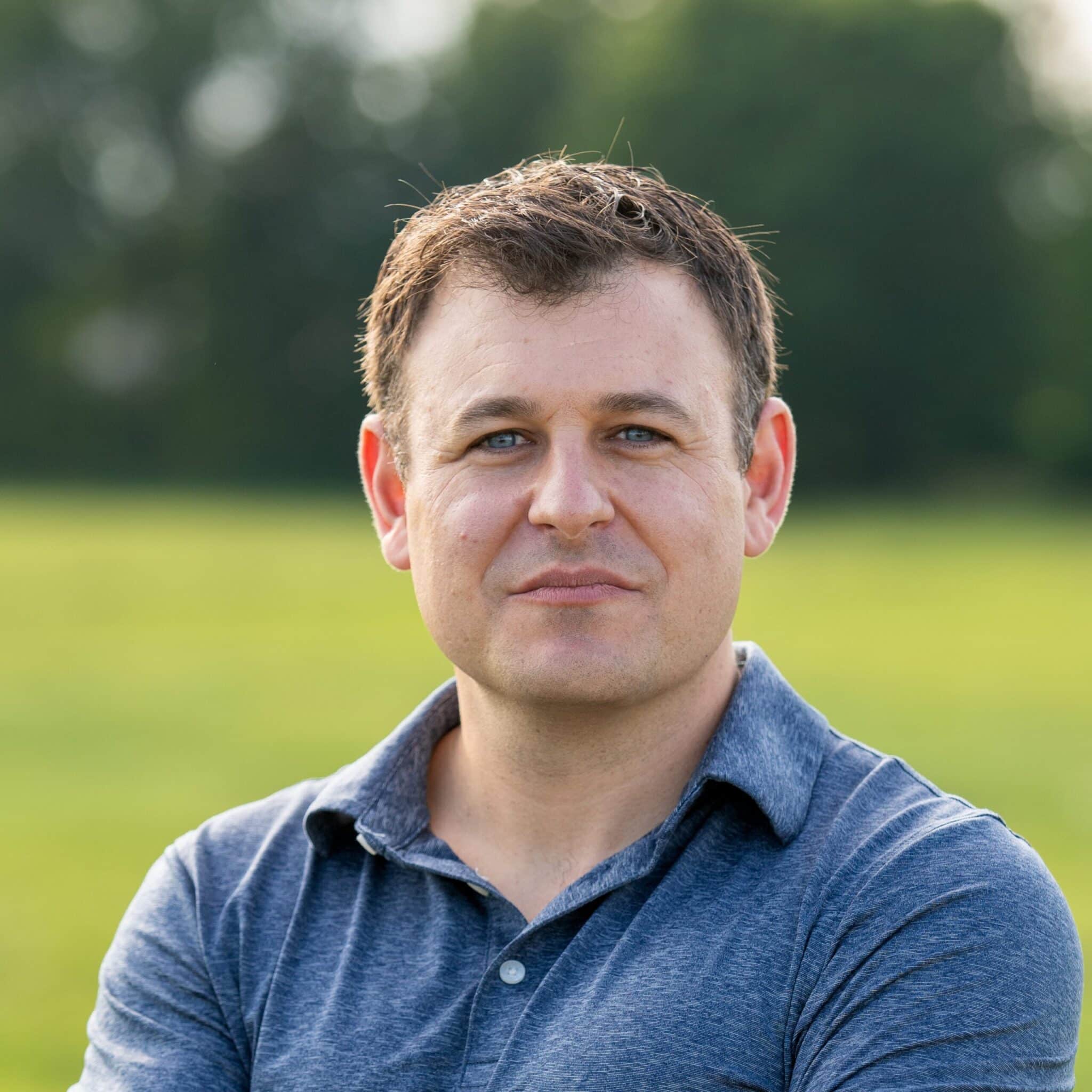
Alex Hirshberg, Psy.D.
Alex Hirshberg, Psy.D., (he/him) is the founder and executive director of Hirshberg Behavioral Health Services, LLC in Hadley, Massachusetts. Dr. Hirshberg is a clinical psychologist who provides behavioral consultation, professional development, and psychological assessment services to schools across Massachusetts. He also has a small outpatient therapy practice focused on using Cognitive Behavior Therapy for individuals with anxiety and mood disorders. His interest areas include Multi-Tiered Systems of Support (MTSS), Cognitive Behavior Therapy (CBT) in schools, trauma informed practices, and developing in-district social-emotional programs.
Membership Information
Most MPY webinars are available ONLY to current staff from member districts and organizations. Public school memberships include police and fire personnel. Former and retired employees and members of committees, including but not limited to, PTO/PTA, PAC, School Improvement Councils, Health Councils, Drug/Alcohol Councils, and school volunteers, are not considered MPY members.
PDPs and CEUs
MPY is an approved Professional Development Provider through the Massachusetts Department of Elementary & Secondary Education (Provider No. F20180079). Professional Development Points (PDPs) are offered for most MPY professional development webinars. PDPs are issued in 10 hour increments, per DESE requirements.
Continuing Education Units (CEUs) are available for clinical staff through the National Association of Social Workers (NASW) and the Massachusetts Mental Health Counselors Association, Inc. (MaMHCA). The NASW and the MaMHCA approve each event individually. CEUs may be given in hourly increments.
To receive PDPs and CEUs, participants must pass the quiz.
Event Cancellation Policy
If you are unable to attend a MPY webinar you must cancel, through Bonnie Mullen at bonnie@mpyinc.org, one business day before the webinar.
For MPY hybrid conferences, the date in-person registration closes will be posted on MPY’s website. Virtual conference registration will close one business day before the hybrid conference. You cannot cancel or switch your registration from in-person to virtual after in-person registration closes. Please email Bonnie Mullen with any questions regarding registration.