We know that social-emotional learning is a good idea, but what does it mean, and how do we consistently, predictably, and comprehensively incorporate SEL into our school communities? This webinar series will explore how social emotional learning is not just what we do, but how we do it. Sessions will focus on theoretical frameworks, emotional regulation, healthy relationship skills, responsible decision making, and faculty/ staff sustainability.
To receive PDPs and CEUs, participants must attend all 5 sessions, either live or via the recording, and successfully pass a quiz following Session 5. Within 24 hours of the live webinar, registrants will be emailed a link to view the recorded webinar. The recording will be made available for 7 days after each session.
Social-emotional learning is not just what we do, but how and why we do it. Session one will frame the webinar series through a few lenses: CASEL’s framework, the social ecological model, trauma-informed care, and a power and identity analysis.
In session two, we will focus on CASEL’s domain of self-management. Our focus will be on individual, school, and community strategies to promote emotional regulation and build a growth mindset. How can we model and promote regulation for ourselves, our students, and across the school community?
Session three will focus on healthy relationship skills. We will learn how to identify, teach, model, and maintain boundaries. Time will also be spent learning about healthy communication, active listening, constructive problem solving, and compassionate accountability.
Each of us are the experts in our own reality. Session four will focus on responsible decision making for us and our students through the empowerment model. We will ask: What makes us able to ask for help, make our own decisions, take initiative, and set goals? What would make us, our students, and their families feel able to navigate school with dignity and agency?
About the Speakers
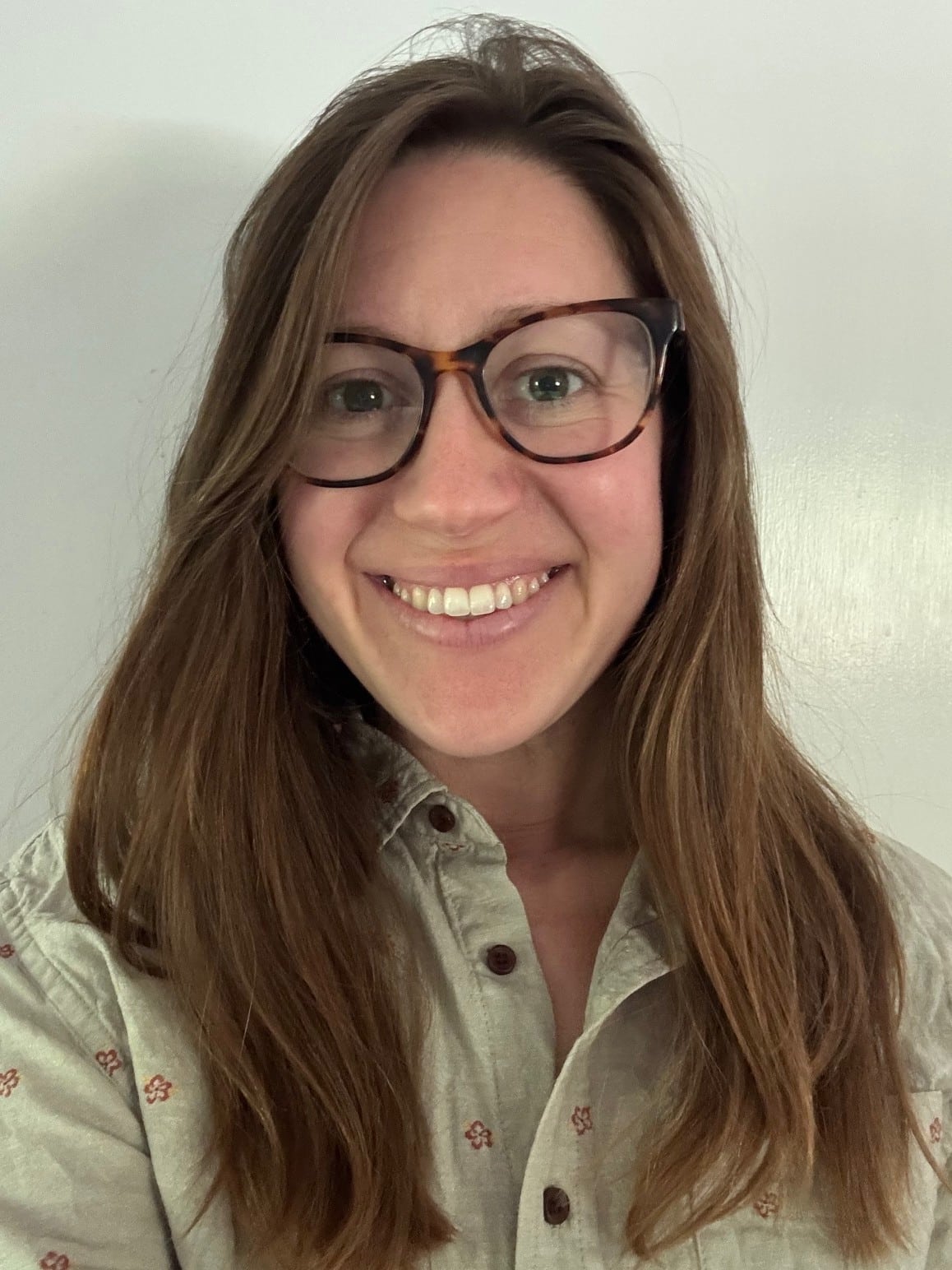
Molly Pistrang-Gomes, M.Ed.
Molly Pistrang-Gomes, M.Ed., (she/her) brings extensive experience working with nonprofits and school communities from the elementary to university level. She worked for many years at nonprofit REACH Beyond Domestic Violence, partnering with school communities to promote healthy relationships and prevent violence. Molly currently works as a public health research consultant, partnering with nonprofits and school districts to support the administration, analysis, dissemination, and application of the Youth Risk Behavior Survey. Molly uses a trauma-informed, anti-oppressive, evaluative, and participatory approach to examine policy, provide training, support organizational learning, data, and evaluation practices, write grants, and promote skill and capacity building.
Membership Information
Most MPY webinars are available ONLY to current staff from member districts and organizations. Public school memberships include police and fire personnel. Former and retired employees and members of committees, including but not limited to, PTO/PTA, PAC, School Improvement Councils, Health Councils, Drug/Alcohol Councils, and school volunteers, are not considered MPY members.
PDPs and CEUs
MPY is an approved Professional Development Provider through the Massachusetts Department of Elementary & Secondary Education (Provider No. F20180079). Professional Development Points (PDPs) are offered for most MPY professional development webinars. PDPs are issued in 10 hour increments, per DESE requirements.
Continuing Education Units (CEUs) are available for clinical staff through the National Association of Social Workers (NASW) and the Massachusetts Mental Health Counselors Association, Inc. (MaMHCA). The NASW and the MaMHCA approve each event individually. CEUs may be given in hourly increments.
To receive PDPs and CEUs, participants must pass the quiz.
Event Cancellation Policy
If you are unable to attend a MPY webinar you must cancel, through Bonnie Mullen at bonnie@mpyinc.org, one business day before the webinar.
For MPY hybrid conferences, the date in-person registration closes will be posted on MPY’s website. Virtual conference registration will close one business day before the hybrid conference. You cannot cancel or switch your registration from in-person to virtual after in-person registration closes. Please email Bonnie Mullen with any questions regarding registration.