This 5-part webinar series will build upon participants’ foundational understanding of autism and school-based intervention to examine the complex interaction between social-emotional development, behavioral health, executive functioning, sensory regulation, anxiety, emotional distress, peer relationships, and school engagement. Participants will explore evidence-informed and neurodiversity-affirming approaches for assessment, intervention planning, collaborative problem-solving, and systems-level support within educational environments. Emphasis will be placed on translating current research into practical strategies that can be embedded into school routines, counseling services, consultation models, crisis prevention efforts, and multidisciplinary collaboration.
To receive PDPs and CEUs, participants must attend all 5 sessions, either live or via the recording, and successfully pass a quiz following Session 5. Within 24 hours of the live webinar, registrants will be emailed a link to view the recorded webinar. The recording will be made available for 7 days after each session. If you are not eligible for PDPs and/or CEUs, you may apply for a Certificate of Attendance.
This session examines the mental and behavioral health needs commonly observed in students with autism across K–12 settings, including anxiety, emotional dysregulation, depression, school refusal, masking, burnout, and co-occurring behavioral challenges. Participants will explore how characteristics of autism interact with environmental demands, sensory experiences, executive functioning, and social expectations within school settings. Emphasis will be placed on differential conceptualization, recognizing less obvious presentations of distress, and identifying school-based risk and protective factors.
Behavioral challenges can disrupt the learning of individual students as well as the entire classroom. This session will provide some positive methods that can be used within a classroom to decrease these challenges and promote a more positive environment for learning. A focus on the function of a behavior challenge will be highlighted as well as how to develop more positive replacement behaviors.
This session focuses on school-based intervention strategies for supporting emotional and behavioral regulation in students with autism across classroom, counseling, and unstructured school settings. Participants will examine evidence-informed approaches for identifying triggers, reducing escalation, supporting co-regulation, teaching replacement skills, and preventing crisis situations. The role of sensory processing, executive functioning, communication differences, and environmental demands in behavioral presentations will also be addressed.
Students with autism often require coordinated and individualized mental health supports across educational systems. This session examines the role of school psychologists, counselors, and social workers in assessment, counseling, consultation, and multidisciplinary collaboration. Participants will explore approaches for conducting autism-informed counseling, supporting peer relationships, collaborating with families and educators, addressing school avoidance, and integrating mental health goals into educational programming and intervention planning.
As students with autism transition into adolescence and young adulthood, social, emotional, and mental health demands often increase significantly. This session focuses on promoting resilience, independence, self-determination, and psychological well-being among middle and high school students. Topics include identity development, self-advocacy, stress management, executive functioning supports, transition planning, postsecondary readiness, and fostering meaningful engagement across school, community, and peer environments.
Speaker
- Michael J. Morrier, Ph.D., BCBA-D, Founder, Owner and Managing Member, Morrier Consulting LLC
About the Speaker
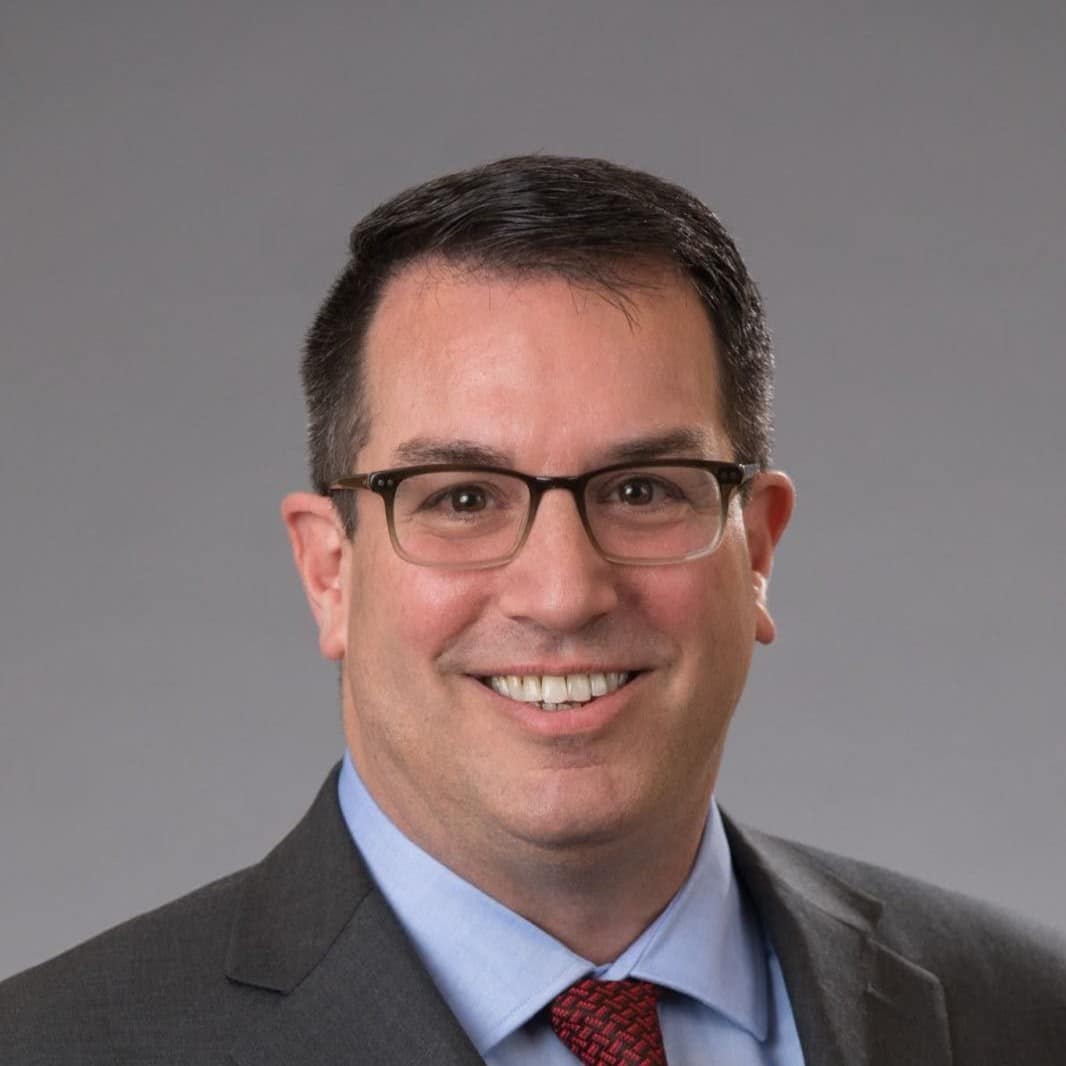
Michael J. Morrier, Ph.D., BCBA-D
Michael J. Morrier, Ph.D., BCBA-D, (he/him) is the owner and founder of Morrier Consulting LLC, which specializes in providing training for autistic individuals and families on embedding applied behavior analysis techniques into everyday activities, as well as training professionals on how to administer the Autism Diagnostic Observation Schedule (ADOS), 2nd edition for clinical and research projects. Dr. Morrier has been a Board Certified Behavior Analyst since 2007. Dr. Morrier’s experiences focused on expanding the ability of community-based practitioners to identify and diagnose young children suspected of autism, validating telehealth platforms for diagnosis of young children, and providing social communication and interaction supports to young autistic children in inclusive settings.
Membership Information
Most MPY webinars are available ONLY to current staff from member districts and organizations. Public school memberships include police and fire personnel. Former and retired employees and members of committees, including but not limited to, PTO/PTA, PAC, School Improvement Councils, Health Councils, Drug/Alcohol Councils, and school volunteers, are not considered MPY members.
PDPs and CEUs
MPY is an approved Professional Development Provider through the Massachusetts Department of Elementary & Secondary Education (Provider No. F20180079). Professional Development Points (PDPs) are offered for most MPY professional development webinars. PDPs are issued in 10 hour increments, per DESE requirements.
Continuing Education Units (CEUs) are available for clinical staff through the National Association of Social Workers (NASW) and the Massachusetts Mental Health Counselors Association, Inc. (MaMHCA). The NASW and the MaMHCA approve each event individually. CEUs may be given in hourly increments.
To receive PDPs and CEUs, participants must pass the quiz.
Event Cancellation Policy
If you are unable to attend a MPY webinar you must cancel, through Bonnie Mullen at bonnie@mpyinc.org, one business day before the webinar.
For MPY hybrid conferences, the date in-person registration closes will be posted on MPY’s website. Virtual conference registration will close one business day before the hybrid conference. You cannot cancel or switch your registration from in-person to virtual after in-person registration closes. Please email Bonnie Mullen with any questions regarding registration.
For this webinar series, participants will automatically be enrolled in all 5 sessions.
Speaker
Michael J. Morrier, Ph.D., BCBA-D, Founder, Owner and Managing Member, Morrier Consulting LLC
Description
This 5-part webinar series will build upon participants’ foundational understanding of autism and school-based intervention to examine the complex interaction between social-emotional development, behavioral health, executive functioning, sensory regulation, anxiety, emotional distress, peer relationships, and school engagement. Participants will explore evidence-informed and neurodiversity-affirming approaches for assessment, intervention planning, collaborative problem-solving, and systems-level support within educational environments. Emphasis will be placed on translating current research into practical strategies that can be embedded into school routines, counseling services, consultation models, crisis prevention efforts, and multidisciplinary collaboration.
To receive PDPs and CEUs, participants must attend all 5 sessions, either live or via the recording, and successfully pass a quiz following Session 5. Within 24 hours of the live webinar, registrants will be emailed a link to view the recorded webinar. The recording will be made available for 7 days after each session. If you are not eligible for PDPs and/or CEUs, you may apply for a Certificate of Attendance.
About the Speaker

Michael J. Morrier, Ph.D., BCBA-D, (he/him) is the owner and founder of Morrier Consulting LLC, which specializes in providing training for autistic individuals and families on embedding applied behavior analysis techniques into everyday activities, as well as training professionals on how to administer the Autism Diagnostic Observation Schedule (ADOS), 2nd edition for clinical and research projects. Previously, Dr. Morrier was an Associate Professor at the Emory Autism Center in the Department of Psychiatry & Behavioral Sciences, Emory University School of Medicine (1992-2023). He received his bachelor’s degree in psychology from the University of Massachusetts-Amherst; his master’s degree in special education from the University of Georgia; and his doctorate degree in Special Education from Georgia State University. Dr. Morrier has been a Board Certified Behavior Analyst since 2007. Dr. Morrier’s experiences focused on expanding the ability of community-based practitioners to identify and diagnose young children suspected of autism, validating telehealth platforms for diagnosis of young children, and providing social communication and interaction supports to young autistic children in inclusive settings. Dr. Morrier previously participated on the U.S. Centers for Disease Control and Prevention’s Autism Surveillance project (ADDM Network) as an expert clinical reviewer from 1999 – 2021, and currently is a member of the editorial boards of the Journal for Autism and Development Disorders, the Journal of Special Education, and Infant and Child Development. Dr. Morrier is currently the President of the Board of Directors for Hess Academy, a private school for pre-K through 8th grade students, and Program Committee Chair for the Atlanta Autism Consortium. Dr. Morrier served as the President of the Georgia Division for Early Childhood subdivision from 2015-2021.
Membership Information
Most MPY webinars are available ONLY to current staff from member districts and organizations. Public school memberships include police and fire personnel. Former and retired employees and members of committees, including but not limited to, PTO/PTA, PAC, School Improvement Councils, Health Councils, Drug/Alcohol Councils, and school volunteers, are not considered MPY members.
PDPs and CEUs
MPY is an approved Professional Development Provider through the Massachusetts Department of Elementary & Secondary Education (Provider No. F20180079). Professional Development Points (PDPs) are offered for most MPY professional development webinars. PDPs are issued in 10 hour increments, per DESE requirements.
Continuing Education Units (CEUs) are available for clinical staff through the National Association of Social Workers (NASW) and the Massachusetts Mental Health Counselors Association, Inc. (MaMHCA). The NASW and the MaMHCA approve each event individually. CEUs may be given in hourly increments.
To receive PDPs and CEUs, participants must pass the quiz.
Event Cancellation Policy
If you are unable to attend a MPY webinar you must cancel, through Bonnie Mullen at bonnie@mpyinc.org, one business day before the webinar.
For MPY hybrid conferences, the date in-person registration closes will be posted on MPY’s website. Virtual conference registration will close one business day before the hybrid conference. You cannot cancel or switch your registration from in-person to virtual after in-person registration closes. Please email Bonnie Mullen at bonnie@mpyinc.org with any questions regarding registration.
All sessions are 9:30 – 11:30 am.