In this five-part webinar series, Attorneys Michael Joyce and Craig Kowalski will discuss updates to laws and regulations impacting student services and their practical implications for school leaders and educators. Participants will learn best practices for conducting manifestation determinations, complying with Section 504 and student records laws and regulations, and developing post-secondary transition plans. The presenters will also review recent court and BSEA decisions and how they impact planning and effectively defending programs within your schools.
To receive PDPs and CEUs, participants must attend all 5 sessions, either live or via the recording, and successfully pass a quiz following Session 5. Within 24 hours of the live webinar, registrants will be emailed a link to view the recorded webinar. The recording will be made available for 7 days after each session.
This session will provide an overview of the disciplinary due process under Massachusetts state law, including M.G.L. c. 71, Sections 37H, 37H ½, and the more recent changes to 37H ¾. The presenter will also provide a comprehensive review of students with disabilities’ rights in the disciplinary process, including both the substantive and procedural requirements related to manifestation determination reviews.
This session provides an overview of Section 504 of the Rehabilitation Act of 1973 (“Section 504”), including students’ rights, school districts’ obligations, and the key differences between Section 504 and the Individuals with Disabilities Education Act (“IDEA”). Participants will gain a comprehensive understanding of the referral, identification, evaluation, and implementation processes under Section 504. This session will also examine the legal standards and procedural requirements for determining student eligibility and developing appropriate Section 504 plans that ensure eligible students receive the accommodations and supports they need.
This session focuses on student privacy and confidentiality in the school setting. Topics include the requirements of federal and state laws and regulations governing the maintenance and disclosure of student education and health records, testimonial privileges, and communications between students and school counselors. Participants will gain a practical understanding of the legal requirements for maintaining confidential student records, the circumstances under which student information may be disclosed without the consent of a parent or eligible student, and the rights and responsibilities of students and school administrators regarding the disclosure of confidential student information.
This session provides an overview of post-secondary transition planning for students with disabilities. The presenter will review the procedural and substantive requirements of the Individuals with Disabilities Education Act (IDEA), Massachusetts General Laws Chapter 71B, and the Massachusetts special education regulations (603 CMR 28.00). Participants will learn the essential components of an effective post-secondary transition plan and the importance of developing individualized plans that support successful outcomes for students. The presenter will share practical examples of each component of a transition plan and discuss recent federal and state case law and hearing decisions.
Speakers
- Michael J. Joyce, Esq., MacAvoy, Joyce & Kowalski, P.C.
- Craig F. Kowalski, Esq., MacAvoy, Joyce & Kowalski, P.C.
About the Speakers

Michael J. Joyce, Esq
Michael J. Joyce, Esq. (he/him) is a former public school teacher and currently an attorney with MacAvoy, Joyce & Kowalski, P.C. specializing in general education and special education law in public schools. Prior to joining the firm, Mr. Joyce served as a Civil Rights Attorney for the United States Department of Education’s Office for Civil Rights (OCR), conducting investigations and trainings throughout New England concerning a wide range of civil rights concerns arising in public schools, including the enforcement of Section 504 and the federal statutes pertaining to harassment and discrimination based on race, color, national origin, gender and age.
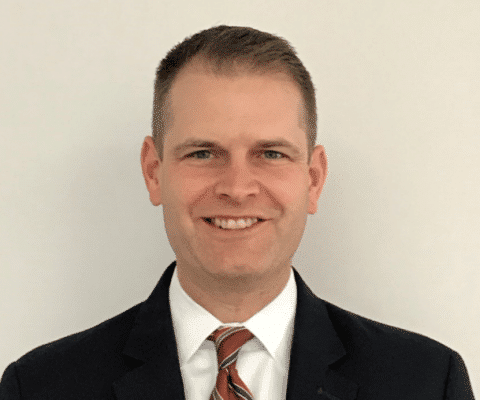
Craig F. Kowalski, Esq
Craig F. Kowalski, Esq. (he/him) is a Partner at MacAvoy, Joyce & Kowalski, P.C. who represents school districts on general education and special education matters. Craig assists clients with bullying and harassment investigations, special education law and policy, student discipline, and a multitude of other matters involving public school students. Craig also frequently represents clients before the Bureau of Special Education Appeals. Craig is a current member of the Executive Committee of the Massachusetts Council of School Attorneys.
Membership Information
Most MPY webinars are available ONLY to current staff from member districts and organizations. Public school memberships include police and fire personnel. Former and retired employees and members of committees, including but not limited to, PTO/PTA, PAC, School Improvement Councils, Health Councils, Drug/Alcohol Councils, and school volunteers, are not considered MPY members.
PDPs and CEUs
MPY is an approved Professional Development Provider through the Massachusetts Department of Elementary & Secondary Education (Provider No. F20180079). Professional Development Points (PDPs) are offered for most MPY professional development webinars. PDPs are issued in 10 hour increments, per DESE requirements.
Continuing Education Units (CEUs) are available for clinical staff through the National Association of Social Workers (NASW) and the Massachusetts Mental Health Counselors Association, Inc. (MaMHCA). The NASW and the MaMHCA approve each event individually. CEUs may be given in hourly increments.
To receive PDPs and CEUs, participants must pass the quiz.
Event Cancellation Policy
If you are unable to attend a MPY webinar you must cancel, through Bonnie Mullen at bonnie@mpyinc.org, one business day before the webinar.
For MPY hybrid conferences, the date in-person registration closes will be posted on MPY’s website. Virtual conference registration will close one business day before the hybrid conference. You cannot cancel or switch your registration from in-person to virtual after in-person registration closes. Please email Bonnie Mullen with any questions regarding registration.