The Essential Foundation in Collaborative Problem Solving course covers all aspects of the Collaborative Problem Solving approach. Through lectures, video examples, case studies, practice activities and large group discussion participants learn how to identify what’s really causing unmet expectations and challenging behavior and how to address those causes using a relational, replicable, and evidence-based process.
To receive PDPs and CEUs, participants must attend all 6 sessions, either live or via the recording, and successfully pass a quiz following Session 6. Within 24 hours of the live webinar, registrants will be emailed a link to view the recorded webinar. The recording will be made available for 7 days after each session. If you are not eligible for PDPs and/or CEUs, you may apply for a Certificate of Attendance.
Discover the Collaborative Problem Solving (CPS) approach and learn why understanding the reasons behind behavior is the first step toward lasting change.
Topics:
- The CPS Mindset
- What Causes Undesired Behavior
- Assess, Decide, Act
- Three Plans to Choose From
Learn how solving problems together helps build skills and improve behavior. Choose the right CPS response based on a person’s emotional state to prevent escalation, de-escalate effectively, and return to collaboration.
Topics:
- Collaborating to solve problems
- Choosing the Best Response
- Preventing Escalation
- Responding During Escalation
Explore the thinking skills that drive behavior, how stress and trauma impacts skills, and how to explain why someone is struggling from a skill not will mindset.
Topics:
- Skill, Not Will
- Thinking Skills Explained
- Stress, Trauma, and Accessing Skills
- Building Internal Motivation Through Collaboration
Learn to identify the situations that are consistently leading to challenging behavior and use the CPS Assessment & Planning Tool to guide effective intervention.
Topics:
- Introducing the Assessment & Planning Tool
- Identifying Expectations
- Separating Problems from Behaviors
- Choosing Your Intervention Plan
Build confidence leading proactive Plan B conversations by practicing the core steps of collaborative problem solving before challenges escalate.
Topics:
- Getting Ready for Plan B
- Empathize
- Sharing Concerns
- Invitation & Collaboration
Expand your Plan B skills by learning and practicing how to engage in four common everyday situations and explore ways to adapt when Plan B gets challenging.
Topics:
- Spontaneous (Yellow Zone) Plan B
- Emergency (Red Zone) Plan B
- Group Plan B
- Plan B with Low Language
- When Plan B Gets Challenging
Speakers
- Heather Johnson, LCSW, Director of Training Services, Think:Kids
- Jordan Spikes, Certified Trainer & Consultant, Manager of Curriculum, Think:Kids
About the Speakers
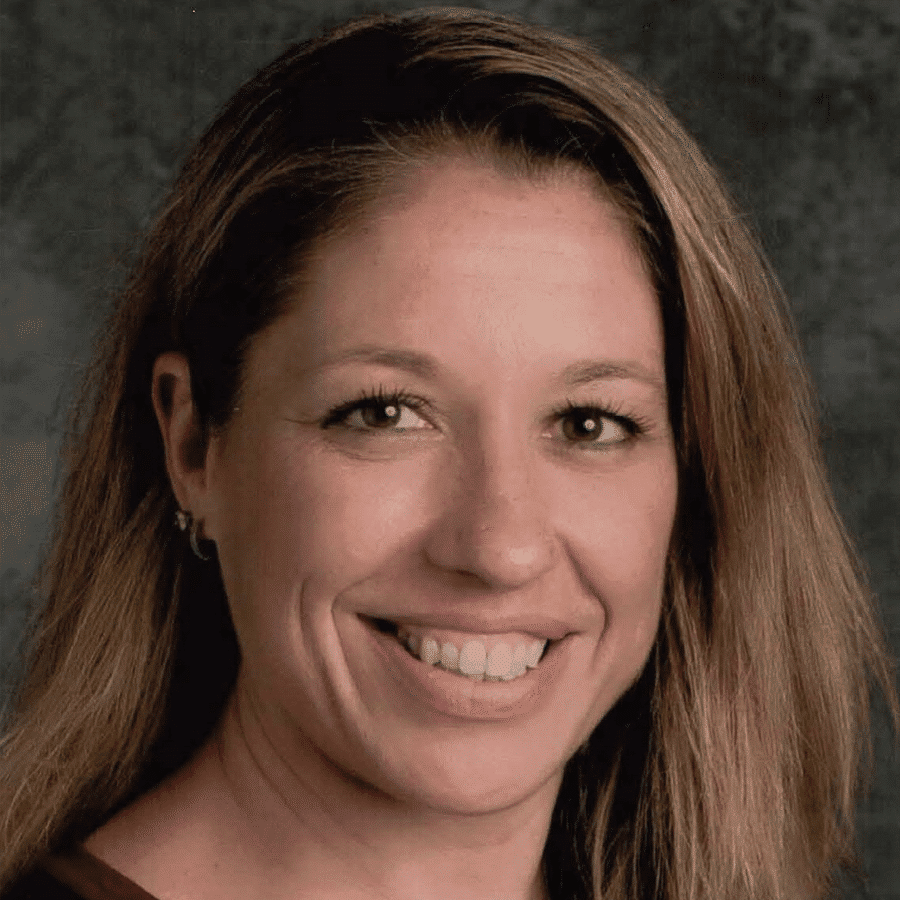
Heather Johnson, LCSW
Heather Johnson, LCSW, (she/her) is the Director of Training Services for Think:Kids. She contributes to the program’s strategy and leadership, oversees the quality of their training services, and leads the training team. Before her current role, Heather supported organizations and schools in learning and implementing Collaborative Problem Solving as a Think:Kids Trainer and Consultant. Heather has been practicing Collaborative Problem Solving professionally since 2009, becoming Certified in 2013.
In addition to her work with Think:Kids, Heather maintains an outpatient private practice incorporating animal-assisted therapy (equine therapy) for children, teens, and their families.

Jordan Spikes
Jordan Spikes (he/him) is the Manager of Curriculum and a Certified Trainer and Consultant at Think:Kids, providing training and coaching for individuals and organizations implementing Collaborative Problem Solving in their systems. He earned a BS in Psychology from Oregon State University and has worked in the mental health and special education arenas as a front-line staff, coach, and administrator for more than 12 years.
With a goal of shifting mindsets away from conventional “people choosing to misbehave” to a neurobiologically-guided mindset of viewing behavioral challenges as a form of learning disorder, Jordan joins with educators, parents, and caregivers in the responsibility of teaching individuals the skills to meet daily, real-world expectations.
Membership Information
Most MPY webinars are available ONLY to current staff from member districts and organizations. Public school memberships include police and fire personnel. Former and retired employees and members of committees, including but not limited to, PTO/PTA, PAC, School Improvement Councils, Health Councils, Drug/Alcohol Councils, and school volunteers, are not considered MPY members.
PDPs and CEUs
MPY is an approved Professional Development Provider through the Massachusetts Department of Elementary & Secondary Education (Provider No. F20180079). Professional Development Points (PDPs) are offered for most MPY professional development webinars. PDPs are issued in 10 hour increments, per DESE requirements.
Continuing Education Units (CEUs) are available for clinical staff through the National Association of Social Workers (NASW) and the Massachusetts Mental Health Counselors Association, Inc. (MaMHCA). The NASW and the MaMHCA approve each event individually. CEUs may be given in hourly increments.
To receive PDPs and CEUs, participants must pass the quiz.
Event Cancellation Policy
If you are unable to attend a MPY webinar you must cancel, through Bonnie Mullen at bonnie@mpyinc.org, one business day before the webinar.
For MPY hybrid conferences, the date in-person registration closes will be posted on MPY’s website. Virtual conference registration will close one business day before the hybrid conference. You cannot cancel or switch your registration from in-person to virtual after in-person registration closes. Please email Bonnie Mullen with any questions regarding registration.