
Schools are faced with supporting students with increasingly complicated, challenging mental health presentations impacting their ability to access learning. In this webinar series, you will learn the importance of shifting thinking and identifying new ways to support. We discuss the importance of rallying key stakeholders to team with and how we help students find healing, remain in their least restricted setting, and thrive.
To receive PDPs and CEUs, participants must attend all 5 sessions, either live or via the recording, and successfully pass a quiz following Session 5. Within 24 hours of the live webinar, registrants will be emailed a link to view the recorded webinar. The recording will be made available for 7 days after each session.
In this session, we will look at the systems of care we currently have, how they interface with one another, and where shifts could happen. We will review the impact to schools; identifying how school professionals can interface with outside systems to access necessary support for students.
In this session, we will explore why rethinking how we view behavior is essential to shifting out of this mental health crisis. We will explore the evidence behind what works, and what doesn’t. We will learn the basics of the neuroscience of anxiety to understand the possible root cause (and also explore other possible root causes) – beginning to shift our thinking from behavior to “symptoms” and leading with empathy, compassion and understanding for our students.
Caregivers are key stakeholders and essential for their student’s healing. We will explore the history of how we view caregivers, how critical they are to their students’ care and why empathy and understanding is key to teaming with them.
In this session, we will explore immune mediated disorders (PANS/PANDAS, Lyme, autoimmune conditions) that reveals a bridge connecting mental health and medical and offers us a different path. We will discuss findings from Dearborn Academy’s research study where we use current research, science and evidence based practice to support students previously believed to be “treatment resistant” in regaining health.
Speaker
- Sheilah Gauch, LICSW, M.Ed., Principal and Clinical Director, Dearborn Academy
- Meri Viano, Associate Director of the Parent/Professional Advocacy League (PPAL)
About the Speakers
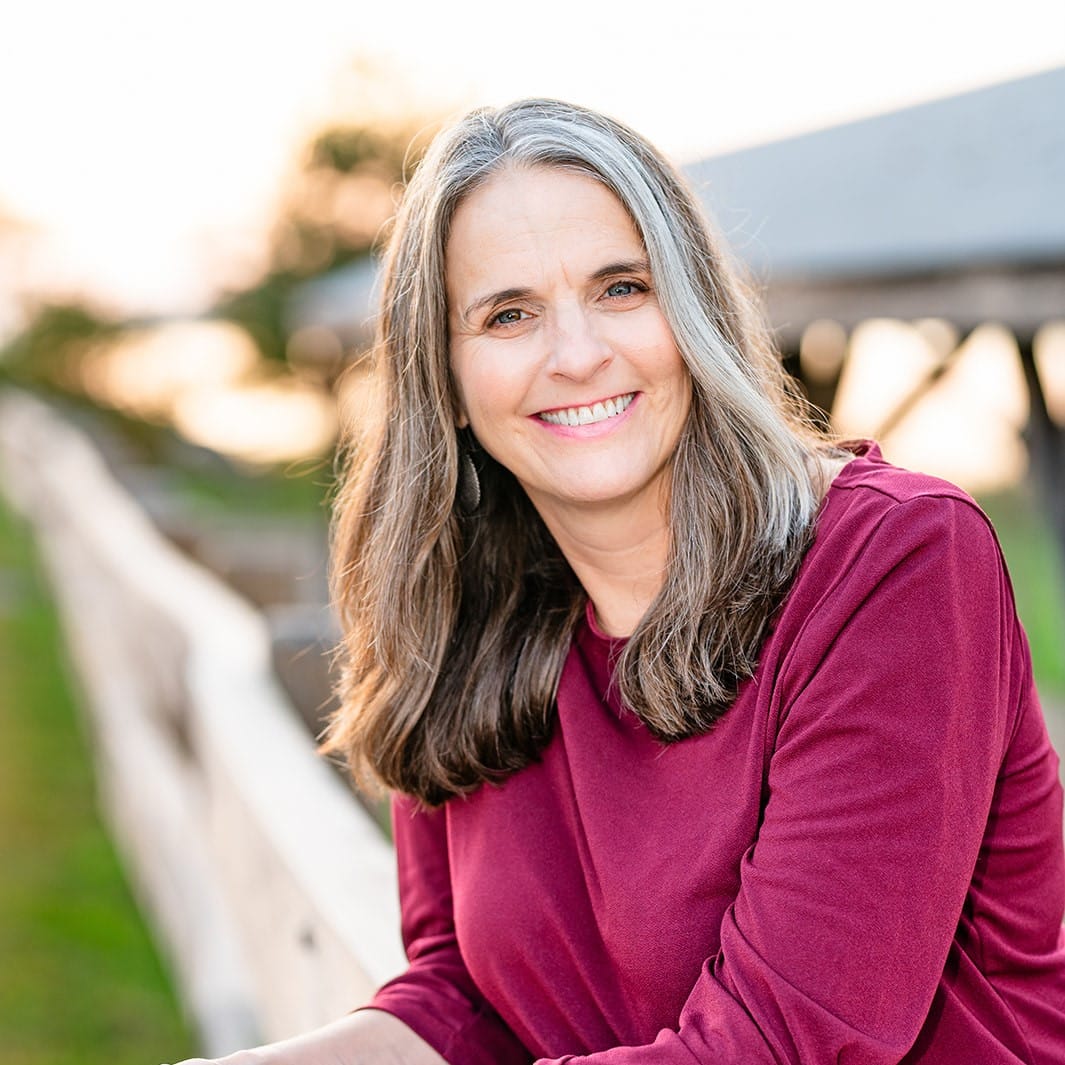
Sheilah Gauch, LICSW, M.Ed.
Sheilah Gauch, LICSW, M.Ed., (she/her) holds a Masters in Educational Organizational Management and is licensed as a Principal, Special Education Administrator and School Adjustment Counselor through the Department of Elementary and Secondary Education. Sheilah has been working with children with significant mental health needs for over 20 years. She is currently the Principal of Dearborn Academy, a Chapter 766 Private Therapeutic Day School. Dearborn Academy serves students with significant social/emotional and learning challenges. She has supported the school in the creation of a robust academic and clinical milieu to support students with the highest level of need.
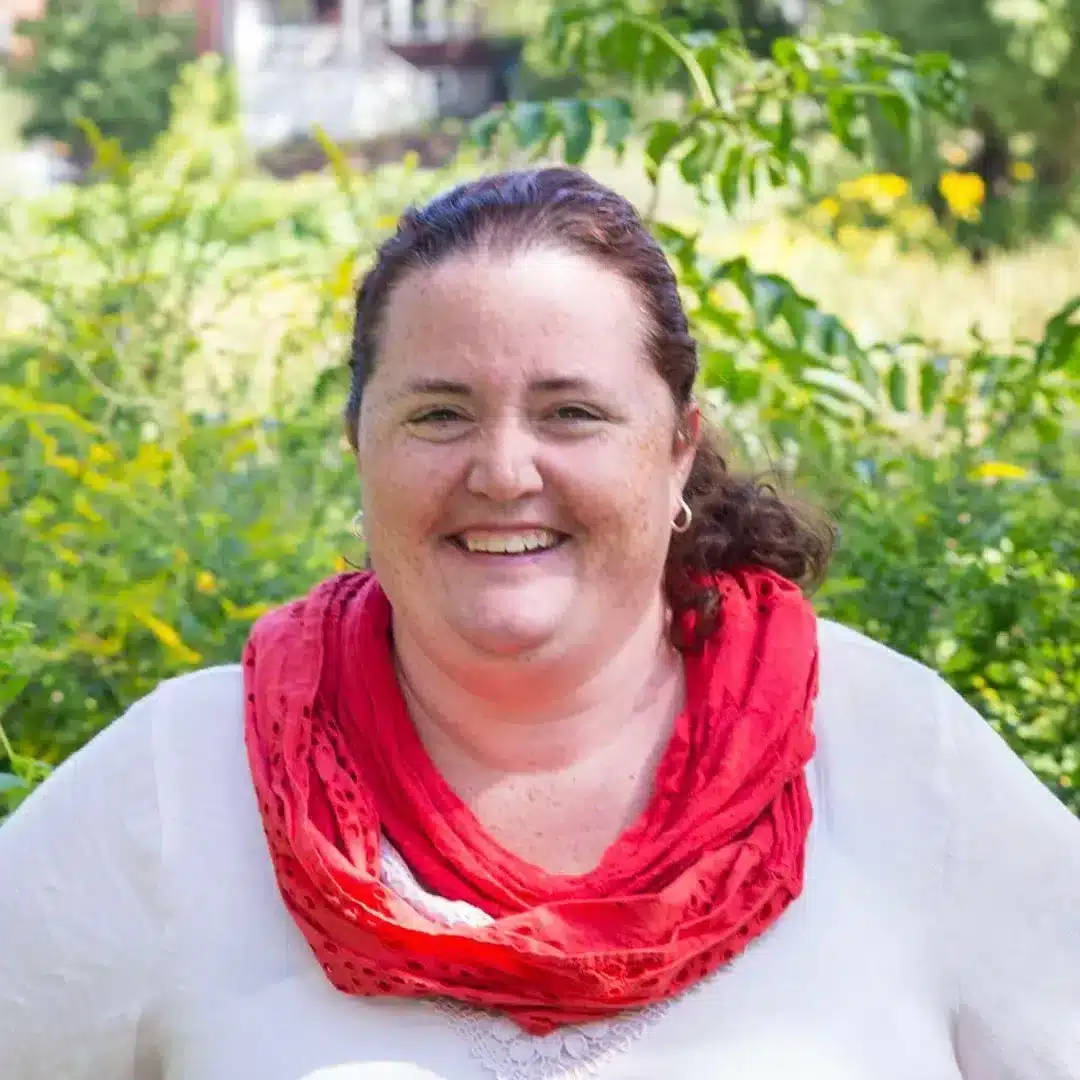
Meri Viano (she/her) is the Associate Director of the Parent/Professional Advocacy League (PPAL), a statewide, family-run, grassroots nonprofit organization based in Massachusetts. Meri has worked with PPAL for more than 22 years. Meri works closely with schools and educators to strengthen partnerships between families, schools, and the professionals supporting children. Nationally, Meri has contributed to the development of family-voice practices grounded in family-driven care and advocacy. Her areas of expertise include mental health policy, racial equity, child-serving systems, family engagement, and creating supportive conversations among educators, researchers, police departments, families, and youth.
Membership Information
Most MPY webinars are available ONLY to current staff from member districts and organizations. Public school memberships include police and fire personnel. Former and retired employees and members of committees, including but not limited to, PTO/PTA, PAC, School Improvement Councils, Health Councils, Drug/Alcohol Councils, and school volunteers, are not considered MPY members.
PDPs and CEUs
MPY is an approved Professional Development Provider through the Massachusetts Department of Elementary & Secondary Education (Provider No. F20180079). Professional Development Points (PDPs) are offered for most MPY professional development webinars. PDPs are issued in 10 hour increments, per DESE requirements.
Continuing Education Units (CEUs) are available for clinical staff through the National Association of Social Workers (NASW) and the Massachusetts Mental Health Counselors Association, Inc. (MaMHCA). The NASW and the MaMHCA approve each event individually. CEUs may be given in hourly increments.
To receive PDPs and CEUs, participants must pass the quiz.
Event Cancellation Policy
If you are unable to attend a MPY webinar you must cancel, through Bonnie Mullen at bonnie@mpyinc.org, one business day before the webinar.
For MPY hybrid conferences, the date in-person registration closes will be posted on MPY’s website. Virtual conference registration will close one business day before the hybrid conference. You cannot cancel or switch your registration from in-person to virtual after in-person registration closes. Please email Bonnie Mullen with any questions regarding registration.